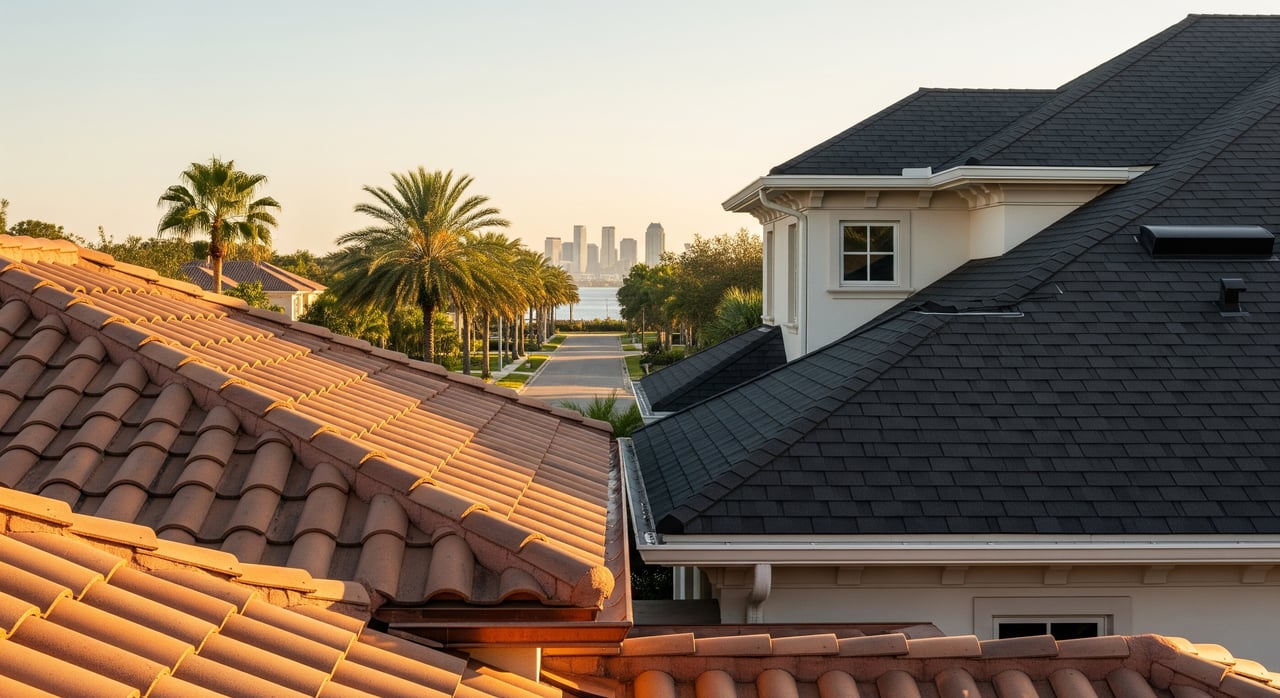
Trying to choose between tile and architectural shingles for your Tampa home? In our hot, humid, and storm-prone climate, your roof does more than keep out rain. It affects comfort, insurance, curb appeal, and long-term costs. This guide breaks down how tile and shingles perform in Hillsborough County so you can pick the best fit for your home and budget. Let’s dive in.
Tampa climate and code basics
Tampa’s humid subtropical climate brings high heat, heavy rainfall, and tropical storms. Wind-driven rain, salt exposure near the bay, and flying debris all put your roof to the test. The Florida Building Code sets strict wind and installation standards, and compliance affects both permitting and insurance.
Local conditions also matter. Salt spray can corrode metal flashings and fasteners unless they are stainless or properly coated. High humidity encourages algae and mold on both tile and shingles. Many neighborhoods have mature trees, which increases leaf buildup and branch impacts.
Tile vs. shingle performance
Lifespan and durability
- Tile roofs often last 50 years or more with proper installation and maintenance. Many clay tile systems can reach 75 to 100 years. Concrete tile is commonly rated 50 plus years, though underlayment and flashing may need replacement during that span.
- Architectural shingles typically deliver 20 to 30 years of service. Premium versions can last longer depending on exposure and care.
Wind and impact resistance
- Both systems can meet high wind ratings when installed to the Florida Building Code and manufacturer specs. Architectural shingles commonly carry ratings around 110 to 130 mph or higher when installed correctly. Tile systems can also achieve high wind performance when properly fastened with approved clips, straps, and ridge detailing.
- Impact resistance varies. Some architectural shingles carry recognized impact ratings. Clay and concrete tiles resist many types of debris but can crack under concentrated impacts like falling branches.
Weight and structure
- Tile is heavy. Many homes need an engineering review and sometimes structural reinforcement before switching from shingles to tile.
- Architectural shingles are much lighter and usually do not require structural upgrades.
Water and flashing details
- Underlayment and flashing do most of the leak protection in Tampa’s wind-driven rain. Quality underlayment, sealed valleys, and correct flashing at chimneys, skylights, and walls are critical for both materials.
- Tile systems can create a drainage and ventilation space that helps manage heat and water. Poorly flashed penetrations are a common leak source on both roof types.
Energy and comfort
- Tile, especially clay, offers thermal mass and an air gap that can reduce heat transfer and help keep interiors cooler.
- Shingles can run hotter without the right design. Look for reflective options and verify proper attic ventilation to control heat gain.
Maintenance needs
- Tile: replace broken tiles, check ridge components, inspect flashings, and clean algae with gentle methods. Access can be tricky and labor costs can be higher.
- Shingles: replace damaged tabs, maintain flashings, and manage algae streaks. Near the end of life, full replacement is typical.
Costs and insurance in Hillsborough
Installed cost ranges
- Architectural shingles: about 3.50 to 7.00 dollars per square foot installed. Many single-story replacements land in the lower thousands to mid-five figures depending on size and complexity.
- Concrete or clay tile: about 7.00 to 25.00 plus dollars per square foot installed. Tile projects often run mid-five figures and can be higher, especially if structural work is required.
Prices vary with roof size, pitch, tear-off, local labor, and hurricane mitigation details. Always compare bids from licensed Tampa roofers.
Maintenance and long-term cost
- Shingles: lower upfront cost and shorter life. Plan on at least one full replacement in a 20 to 30 year window.
- Tile: higher upfront cost and longer life. Expect periodic costs for replacing broken tiles and eventually renewing underlayment and flashings, often around the 20 to 30 year mark.
Insurance considerations
- Carriers look at roof age, material, wind and impact ratings, and verified code-compliant installation. Some offer discounts for impact-rated shingles or wind-rated tile systems, while others price tile higher due to repair complexity. Roof age limits can affect renewals and premiums. Check with your insurer before you decide.
Curb appeal and resale
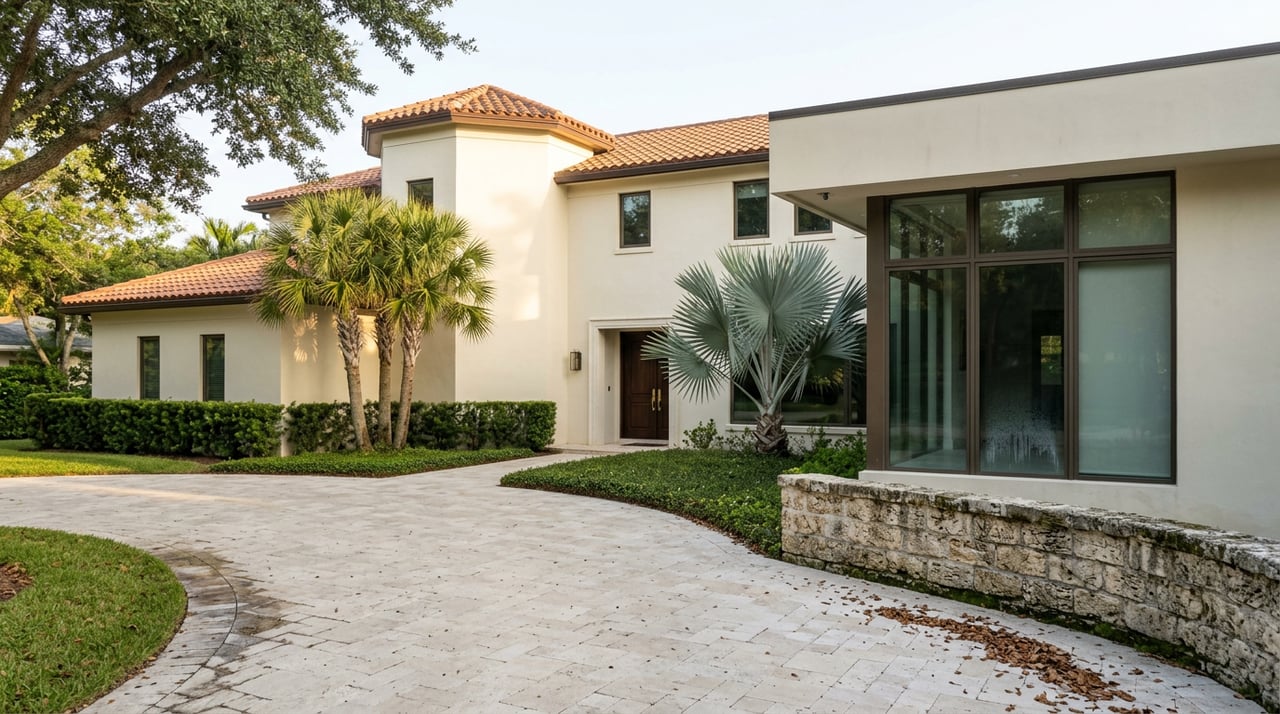
- Tile delivers a premium look that shines on Mediterranean or Spanish-style homes and in neighborhoods where tile is common. It often signals longevity to buyers.
- Architectural shingles are versatile and widely accepted. Modern dimensional shingles provide strong curb appeal across many home styles. A newer roof in good condition, with documentation, often matters more to buyers than the specific material.
Which roof fits your home
Use these Tampa-specific decision points to guide your choice:
- Architectural fit: match the material to your home’s style and your neighborhood’s common look.
- Budget: balance upfront cost with long-term replacement plans.
- Structure: confirm your framing can carry tile. Engineering and reinforcement can add cost.
- Wind and code: select products with Florida approvals and follow manufacturer instructions to the letter.
- Contractor: hire licensed local roofers who know tile or shingles, whichever you pick.
- Insurance and permitting: talk to your insurer and confirm Hillsborough County permit requirements early.
How to evaluate an existing roof
If you are buying or selling in Tampa, use this quick checklist:
- Age and documentation: installation date, permit records, and warranties.
- Visible condition: broken tiles, missing or curled shingles, and granule loss.
- Flashings: inspect around chimneys, skylights, walls, and penetrations.
- Underlayment history: ask about past leak repairs and look for attic staining.
- Fastening for tile: look for clips, straps, and secure ridge elements.
- Ventilation and insulation: key for shingle longevity and interior comfort.
- Biological growth: algae and mildew are common. Note extent and cleaning needs.
- Storm history: check for prior patches or impact damage.
- Get a written estimate: request an evaluation from a licensed roofer and confirm permits for past work.
Care and maintenance in Tampa
- Twice a year: clear gutters, remove roof debris, and look for visible damage.
- After major storms: check flashings, ridges, and edges for displacement.
- Every 10 to 20 years: plan for underlayment and flashing renewal on tile systems.
- Cleaning: use gentle soft-wash methods. Avoid pressure washing that can break tiles or strip shingle granules.
- Trees: keep limbs trimmed away from the roof to reduce wear and impact risk.
Bottom line
If you want maximum longevity and a premium look, tile can be a standout choice in Tampa, especially when your home’s style supports it and your structure can handle the weight. If you prefer lower upfront cost and a widely accepted look, architectural shingles deliver strong value and good wind performance when installed to code. In both cases, the right underlayment, flashing, and a proven local installer make the biggest difference.
Have questions about how roof choices affect resale and buyer interest in your neighborhood? Reach out to CRAIG BROMBERG for local guidance and a clear plan to position your home. Get your home valuation and make smart next steps with confidence.
FAQs
What lasts longer in Tampa, tile or architectural shingles?
- Tile typically lasts 50 years or more with proper care, while architectural shingles commonly last 20 to 30 years.
How do roofs in Hillsborough County handle hurricanes?
- Both tile and shingles can perform well if the product is wind rated and installed to Florida Building Code standards with correct fasteners and detailing.
What are typical installed costs for Tampa roofs?
- Architectural shingles often run about 3.50 to 7.00 dollars per square foot installed, while concrete or clay tile often ranges from 7.00 to 25.00 plus dollars per square foot.
Will a tile roof raise or lower my insurance premium in Tampa?
- It depends on the carrier, roof age, and ratings. Some offer discounts for wind or impact performance, while others price tile higher due to repair costs.
Can I switch from shingles to tile without reinforcing my roof?
- Not usually. Tile is much heavier, so you should get an engineering review and be prepared for potential structural upgrades before switching.