How the History of Odessa, FL Shaped the Community
Blog Anne Bromberg September 1, 2026
Blog Anne Bromberg September 1, 2026
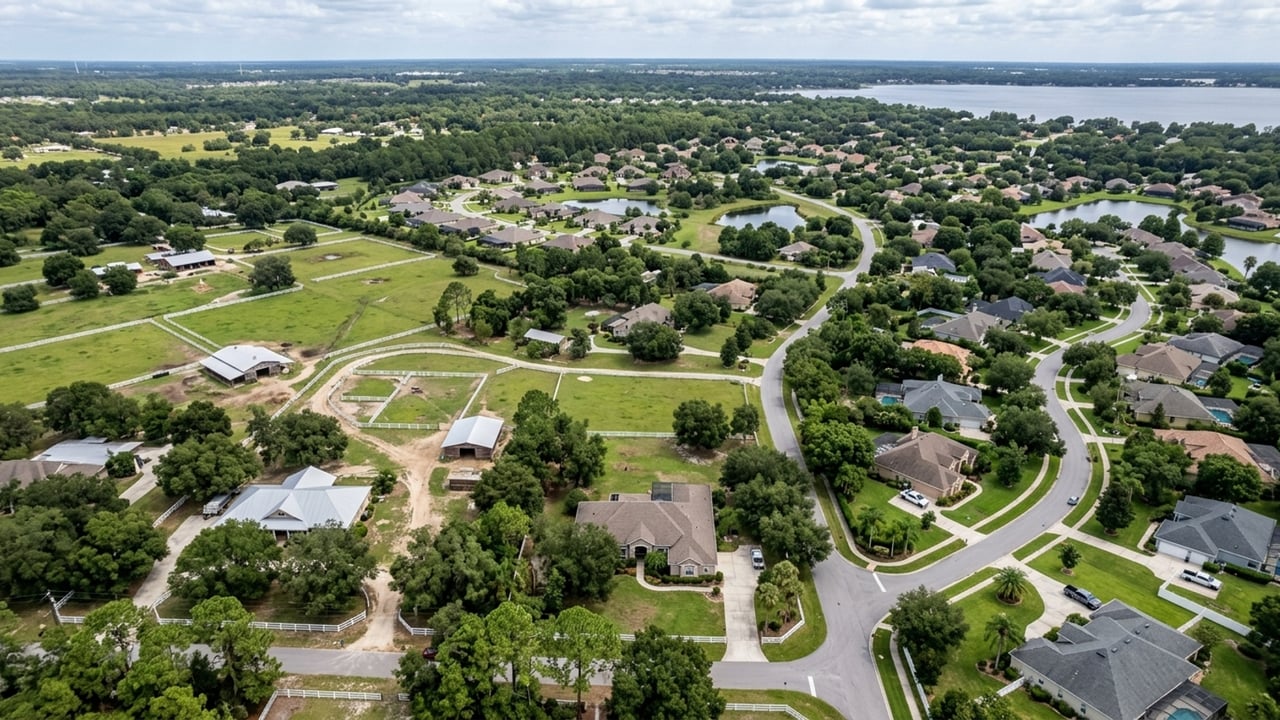
Odessa, FL, sits just north of Tampa, and if you spend any time here, you'll notice it doesn't feel like the rest of the Tampa suburbs. For anyone weighing the pros and cons of living in Odessa, FL, this unique rural atmosphere is usually a major factor. The open land, the equestrian properties, the roads that seem to follow no particular grid - there's a reason for all of that. This community was first settled in the mid-1800s, long before the master-planned developments that now define stretches of the local market.
The median home price today sits around $545,000, with properties spending roughly 28 days on the market. The area's history provides genuinely useful context if you're thinking about buying land here, building, or just trying to understand why this corner of the Gulf Coast feels the way it does.
The W.M. Mobley family first settled the area in the middle of the 1800s, migrating south from Savannah, Georgia, into what was, at the time, essentially untouched wilderness - a far cry from the Tampa-St. Petersburg-Clearwater metropolitan area it belongs to today.
Odessa never had a formal founding. There's no date on record, no city charter moment. The community took shape over decades, growing organically along early transit routes as rail lines pushed through the Florida scrub.
Odessa is a census-designated place - not an incorporated city or town. That distinction matters more than people realize. Without a municipal government of its own, the community relies on county government for road maintenance, water, and police coverage.
It also means the boundaries are loose. Real estate listings use the Odessa name across a broad stretch of suburban and rural neighborhoods along the county line, and what counts as "Odessa" can feel different depending on who you ask.
Geography shapes everything about how this community works. Odessa is part of the Tampa-St. Petersburg-Clearwater Metropolitan Statistical Area, which puts it within a short drive of major employment centers and Gulf Coast beaches - but without the density that comes with being inside the city proper.
If you're buying here, pay close attention to property lines and county tax rates. Where exactly a home sits determines which school district you're in and which local government controls your zoning. That's not a minor detail.
Odessa straddles the border between Pasco County and Hillsborough County. The U.S. Census Bureau officially places the Odessa census-designated place in Pasco County, but the broader community extends south into Hillsborough County. Before you make an offer on anything here, verify which county that specific parcel falls in - it changes your property taxes and your utility providers.
The name Odessa showed up in the 1880s, brought here by a Russian immigrant named Peter Demens. Demens was a central figure behind the Orange Belt Railway, which opened this part of Florida to development and trade. He held the naming rights for several stops along the new rail line, and he used them.
Demens named this Florida community after Odessa, Ukraine - a prominent port city on the Black Sea. He'd traveled to the Ukrainian city during his years in the Russian Empire, and when the time came to name his rail stops, he drew on those memories. It wasn't a one-time thing, either. Demens is also responsible for naming St. Petersburg, FL, applying the same instinct to shape the region's identity through his own personal history.
The Mobley family laid the groundwork in the mid-19th century through agriculture and timber. The dense pine forests and fertile soil supported the earliest residents for decades, and for a long time that was essentially the whole story.
What changed things was the Orange Belt Railway arriving in the late 1880s. Once the trains came through, local lumber and citrus operations could actually move their goods to larger markets across the state. That kind of access tends to accelerate everything.
For most of the 20th century, the area stayed largely agricultural - citrus groves, cattle ranches, logging operations supporting the expanding Tampa Bay region. The transformation from farmland to suburb happened gradually, then all at once.
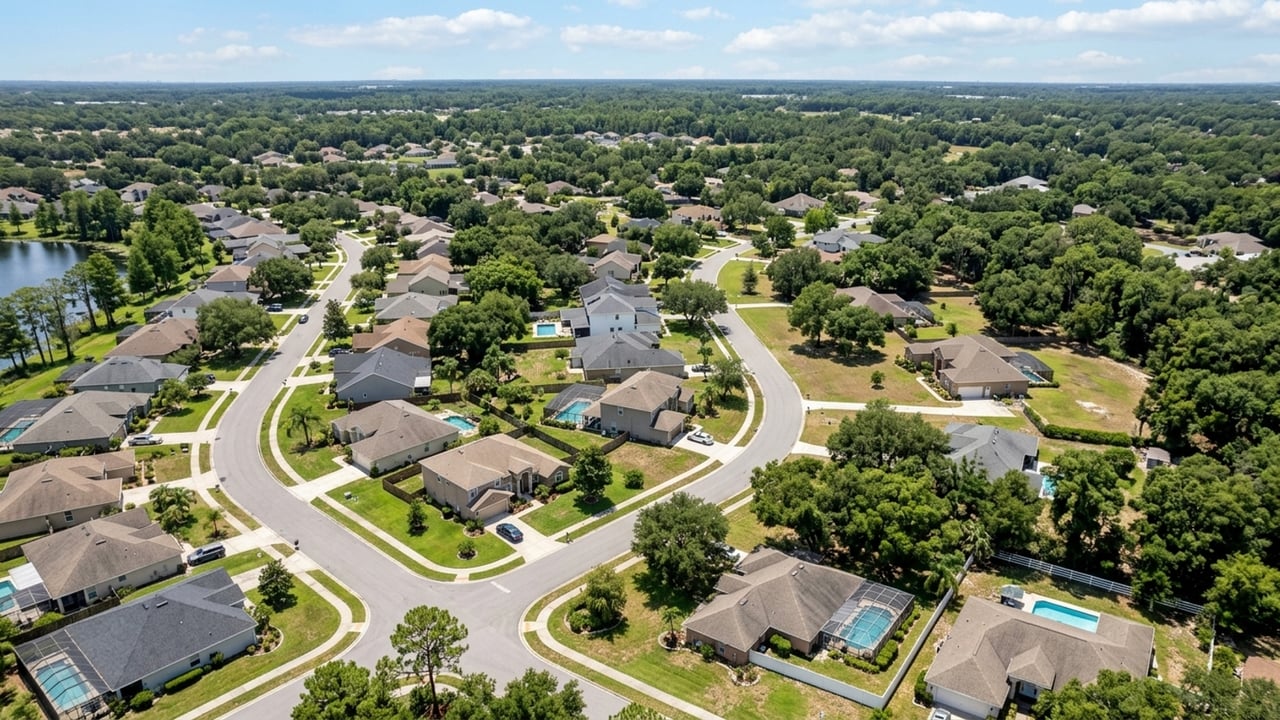
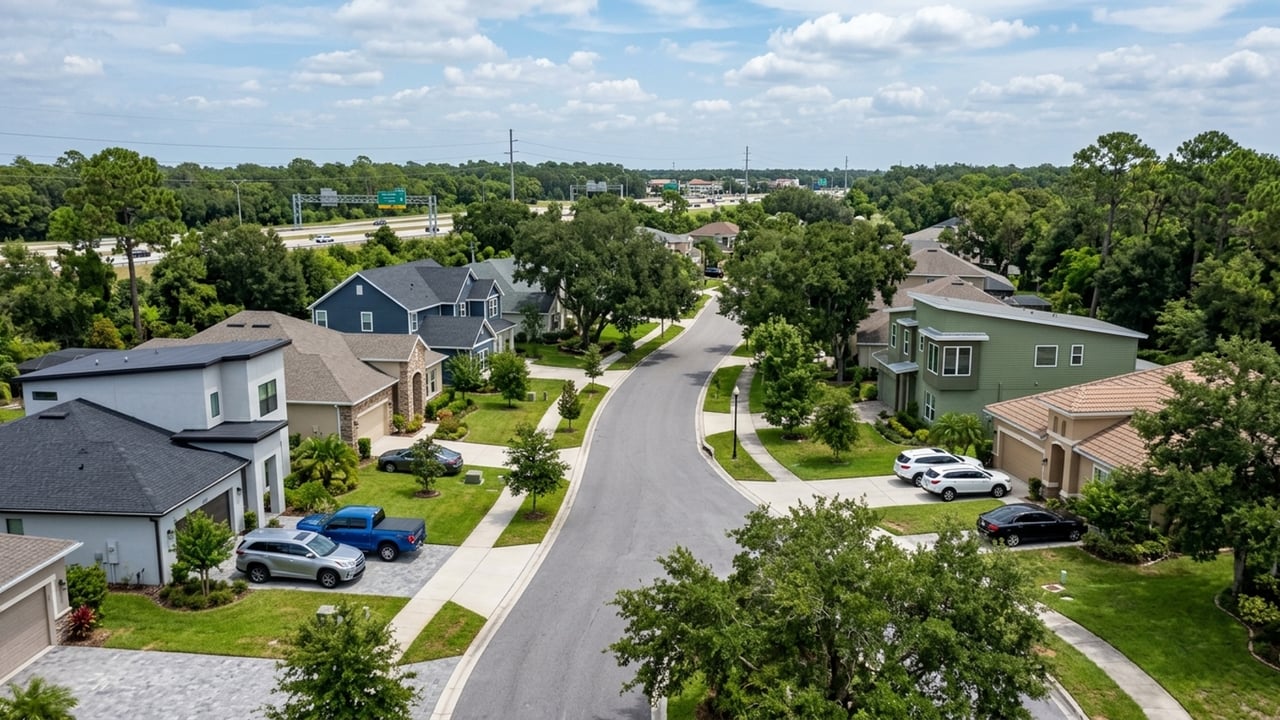
Today, those large agricultural tracts have mostly given way to residential developments. The local market runs about 47 active listings at any given time, covering everything from historic rural acreage to new construction.
Odessa doesn't have a downtown historic district with an architectural review board telling you what color to paint your shutters. That level of formal preservation infrastructure simply isn't here.
What you do have is history written into the land itself. Many of the older roads still follow the original rail beds and logging trails cut through more than a century ago.
One of the most significant historic sites in the area is the Keystone Memorial Park Cemetery, established by formerly enslaved African Americans during the community's early years. The exact location and preservation status of the cemetery are currently disputed. Local historians and community members are still working to identify and protect this piece of the region's heritage - it's ongoing, not resolved.
Buyers come here for space and proximity. With homes selling at roughly 96% of list price, the market is active - people are serious about landing here rather than staying in the dense urban core of Tampa.
The equestrian and agricultural character is real, not just marketing language. Properties zoned for horses sit a few miles from modern retail centers. That's not an accident - it's a direct result of how the land was originally used and how the zoning followed.
The quiet, spacious properties have attracted people who want privacy inside the Tampa Bay metro. Over the years, that's included late television pitchman Billy Mays, former NFL kicker Jay Feely, professional athletes Lee Elia, Dan Spivey, Anthony Telford, and Drew Weatherford, author James Swain, and skeet shooter Dania Vizzi.
There isn't one designated oldest neighborhood - the community developed too organically for that kind of clean answer. Early settlement by the Mobley family in the mid-1800s centered on large agricultural tracts, not platted subdivisions.
No. There's no widely recognized formal historic landmark designation or historic district here. Check standard county zoning rules in Pasco or Hillsborough County rather than looking for historic preservation guidelines.
Search the county property appraiser and clerk of court databases. Because the community sits on the county line, you'll need to confirm whether the property is in Pasco County or Hillsborough County before you know where to look.
Historic agricultural and timber operations can leave lingering soil impacts. If you're buying vacant land for new construction, order standard environmental testing to check for remnants of old citrus farming practices. It's a straightforward step that's easy to skip and occasionally worth not skipping.
Older rural properties and historic acreage tend to sit near the original agricultural centers and old rail lines. The newer master-planned communities have largely replaced the expansive citrus groves that once defined the landscape.
Yes - many parts of the community retain zoning that permits horses and livestock. Because the area spans two counties, equestrian buyers need to verify the specific agricultural zoning rules with either Pasco or Hillsborough County before purchasing. Don't assume it carries over just because the neighboring parcel allows it.
Stay up to date on the latest real estate trends.
Blog
Blog
Blog
Blog
Blog
Blog