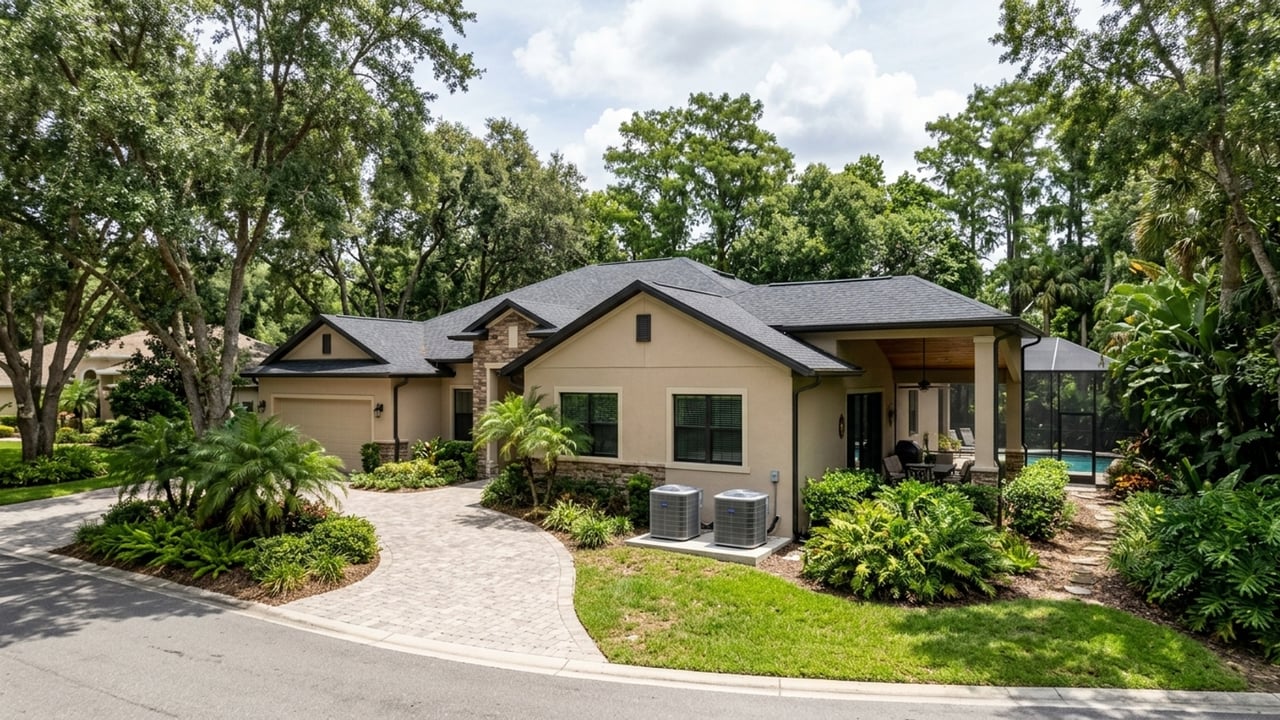
What to Expect From Weather Patterns in Odessa, FL
Blog Anne Bromberg September 1, 2026
Blog Anne Bromberg September 1, 2026
Odessa, FL runs on a humid subtropical climate, and that fact shapes just about every property decision you'll make in the Tampa Bay area. Buyers coming into Pasco and Hillsborough counties almost always want to know how brutal the summers really are and whether inland flooding is something they should lose sleep over. The honest answer is: it's manageable, but only if you go in with clear expectations about the pros and cons of living in Odessa.
The weather here dictates everything from when to schedule your home inspection to how you design a backyard. If you understand the year-round temperatures, rainfall totals, and storm risks before you start writing offers, you'll make better choices - and you won't be caught off guard by your first August utility bill.
Odessa sits at an elevation of 52 to 58 feet above sea level, which puts it slightly higher and further inland than most coastal Florida towns. That geography locks the area into a humid subtropical climate - hot, humid summers and mild, comfortable winters - with enough warmth year-round that outdoor living spaces actually get used in every season.
The annual mean humidity hovers around 73%, based on data from the nearby Clearwater Air Park, and dew points frequently hit 64°F. The air holds a lot of moisture. Buyers coming from dry climates usually need a genuine adjustment period - the thermometer can read 88°F but feel significantly worse than anything they've experienced at that temperature back home.
What this climate zone actually means day-to-day is distinct wet and dry periods rather than four traditional seasons. Summer thunderstorms roll through on a near-daily basis, drop serious rain, and then clear out before dinner. That's not a freak event - that's Tuesday.
For buyers, the practical takeaway is straightforward: prioritize homes with good drainage and efficient air conditioning. Properties built to handle intense sun and sudden downpours simply hold up better here.
Temperatures in Odessa typically range from 51°F to 90°F over the course of the year. The thermometer rarely dips below 38°F in winter or climbs above 93°F at the height of summer. Those predictable bands make it genuinely easy to plan outdoor renovations and landscaping projects around the calendar.
The consistency also means outdoor living spaces get real, year-round use. Covered lanais and pool enclosures are popular investments here precisely because residents are outside constantly - and enclosures pull double duty by keeping debris out of pools during passing storms.
Summer delivers the highest temperatures and the bulk of the area's rainfall. Daily afternoon thunderstorms are standard; they act as a brief cooling mechanism during the hottest part of the day and usually move through fast enough that evenings are clear. The heat itself isn't the only issue, though - the humidity makes it feel more intense than the numbers suggest.
If you're touring homes in the summer, check that the HVAC unit is properly sized and recently serviced. Proper cooling isn't a luxury from May through September. It's a daily requirement.
Winter here is mild, dry, and genuinely comfortable for being outside. Freezing temperatures are extremely rare, so there's no winterizing plumbing, no snow removal, none of that. The cooler, drier air is a real relief after the summer humidity.
That temperate weather is a significant driver of seasonal relocation to the Tampa Bay area. A lot of buyers specifically house-hunt between December and March to take advantage of the conditions. The other benefit worth noting: the absence of severe winter weather keeps construction and home renovations on schedule year-round, which matters when you're trying to coordinate work on a property.
Spring and fall are the shoulder seasons - lower humidity, moderate temperatures, fewer afternoon showers than summer. These are genuinely some of the most comfortable months of the year, and residents tend to open their windows and enjoy them.
Fall also overlaps with the peak of the Atlantic hurricane season, which runs through November. Enjoying the outdoors while keeping an eye on regional weather forecasts is just part of fall life here. Prepping the home for potential late-season storms is standard fall maintenance, not an overreaction.
August is the hottest month, with average highs around 88°F (31°C) and lows near 79°F (26°C). Air conditioning units run nearly non-stop during this window, which is why proper insulation and energy-efficient windows matter so much - they're not cosmetic upgrades, they're the difference between a manageable cooling bill and a painful one.
January sits at the other end. Average highs reach about 68°F (20°C), with overnight lows dropping to around 52°F (11°C). You'll rarely need more than a light jacket, even on the coolest mornings.
February brings a slight warming trend, with typical daily highs of 71°F (22°C) and lows around 56°F (13°C). The weather stays comfortable enough for golfing, boating, and hiking - which is exactly what draws buyers away from colder northern climates in the first place.
Even at its coldest, Odessa rarely sees temperatures drop into the 30s. At its hottest, the thermometer generally stays below 93°F, though high summer humidity pushes the heat index higher. That narrow temperature range is also good news for the home itself - the lack of extreme swings reduces physical stress on exterior building materials over time.
Odessa receives an average of 51 inches of rain per year, well above the national average of 38 inches. Most of it lands during the summer months, driven by daily thunderstorms and passing tropical systems, with the wet season typically running from late May through October.
That much rain keeps the landscaping lush, but it also puts residential drainage systems through their paces. When you're doing your due diligence on a property, inspect the gutters, downspouts, and yard grading carefully. Water needs a clear path away from the foundation during heavy downpours - and in this market, heavy downpours are not an occasional event.
Odessa averages 0 inches of snow per year. The US average is 28 inches. You can leave the snow shovels behind.
Beyond the obvious convenience, this matters for the home itself. Roofs and driveways here don't deal with ice damming or frost heave, so maintenance focus shifts entirely to sun and rain protection. You will never need to salt a driveway or thaw a frozen pipe in this area.
At around 73% annual mean humidity, moisture is a constant factor in property maintenance - not just comfort. High summer humidity requires continuous air conditioning to keep indoor spaces comfortable and dry, and controlling indoor moisture is genuinely a standard part of Florida homeownership, not an edge case.
Proper ventilation in attics and bathrooms helps prevent moisture buildup inside the home. Dehumidifiers are common additions to HVAC systems for buyers who want precise control over indoor air quality. Running bathroom exhaust fans during showers is a simple habit that makes a real difference.
The broader Tampa Bay region is considered one of the most hurricane-vulnerable metro areas in the country - the bay's funnel shape amplifies storm surge significantly. Odessa's inland position means it faces a different set of primary threats than coastal towns, with the distance from the Gulf of Mexico providing a natural buffer against direct storm surge.
That said, "inland" doesn't mean "unaffected." During a tropical storm or hurricane, Odessa residents deal with high winds, heavy rain, and localized inland flooding. Those storm-driven flooding situations are typically far more intense and widespread than routine seasonal rain, and preparing for them means securing the property against both wind and heavy precipitation.
Heavy rainfall during severe storms can overwhelm local drainage infrastructure. Homeowners commonly install backup generators and make sure their roofs meet current wind-mitigation codes. Florida's modern building codes require structures to withstand significant wind loads - that's not incidental, it's a baseline expectation.
Summer thunderstorms also bring a high frequency of lightning, which makes surge protectors and whole-home lightning protection systems popular upgrades. Securing loose patio furniture before afternoon storms is just a routine habit for locals - you'll pick it up quickly.
Late fall through early spring gives you the most comfortable conditions for moving, touring properties, and scheduling inspections. The mild temperatures and lower humidity make moving day far less physically taxing - carrying boxes and loading trucks in January is a very different experience than doing it in August.
If you're looking during the summer, you're in the peak of the rainy season. Schedule property tours in the morning to get ahead of the afternoon thunderstorms that roll through routinely. And if a summer move is unavoidable, hiring professional movers to handle the heavy lifting is a genuinely smart call, not an indulgence.
January and February are excellent for settling into a new home. Average highs in the upper 60s and low 70s, dry weather that minimizes the risk of rain delaying moving trucks or exterior repairs - roofers and exterior painters face fewer weather delays during these months too, which matters if you're planning work on a property after closing.
Moving in August requires real planning. It's the hottest month, rain is frequent, and arriving at a house that hasn't been cooled down yet makes the whole process significantly harder. Buyers closing in late summer should confirm utilities are activated well before move-in day so the air conditioning is already running when you walk in.
Odessa's 52 to 58-foot elevation provides a meaningful buffer against rising ocean waters that coastal communities simply don't have. Buyers often choose Odessa specifically to stay out of mandatory coastal evacuation zones - that's a real, practical consideration, not just a preference.
The trade-off is that you miss some of the direct coastal breezes that cool waterfront properties. The overall temperature bands and rainfall totals across the Pasco and Hillsborough county region remain very similar, though. The entire metro area shares the same basic humid subtropical climate profile - the differences are primarily about storm surge exposure, not day-to-day weather.
Climate shapes what buyers want in Odessa and what inventory looks like. As of late summer 2026, the median home price sits around $544,654, with homes spending roughly 28 days on the market before going under contract. Buyers aren't being scared off by the weather - they're just looking for homes that are built to handle it.
That means updated roofs, storm-rated windows, and efficient cooling systems show up on practically every buyer's checklist. Sellers who highlight those features see real interest as a result. Hurricane shutters and upgraded HVAC systems aren't just comfort items - they're line items that add tangible value to a listing.
With about 47 homes currently in inventory, buyers have options - but read property disclosures carefully for any history of storm damage or localized flooding. A yard that pools water after a routine thunderstorm is going to struggle seriously during a tropical event, and that's not a problem you want to discover after closing.
Factor climate-related carrying costs into your budget from the start. Insurance premiums and summer cooling bills are standard expenses in a humid subtropical zone. Reviewing past utility bills during due diligence isn't optional - it's how you set accurate budget expectations before you commit.
Homes in Odessa are selling for about 96% of their list price on average, and roughly 11% of homes recently sold above asking - which tells you that well-prepared properties still draw competitive offers. Buyers are willing to pay a premium for homes that don't require immediate weather-related work.
Sellers are competing against about 5.4 months of supply, so presentation matters. Clean, functioning gutters, proper yard grading, and a well-maintained HVAC system aren't just nice-to-haves - they're what separates a listing that moves from one that sits. Demonstrating that a home is ready for the Florida summer gives buyers confidence, and in this market, that confidence translates.
It depends on the specific property's location and flood zone designation. While Odessa is inland and sits roughly 52 to 58 feet above sea level, heavy rainfall during tropical storms can cause localized inland flooding. Buyers should check the FEMA flood map for their specific address and consult their lender about insurance requirements.
Yes, Odessa faces a lower risk of direct coastal storm surge due to its inland location and elevation. The area is still vulnerable to high winds, heavy rain, and localized flooding during hurricanes or tropical storms, though.
The summer rainy season can occasionally delay exterior roof or pool inspections if heavy afternoon thunderstorms roll through. On the flip side, those daily rains give buyers a real opportunity to see how well the property's gutters and yard grading actually handle sudden downpours.
It depends on the specific parcel, but heavy rainfall in Odessa is primarily known to overwhelm drainage infrastructure and cause localized inland flooding. During tropical events, that rainfall-driven flooding is the main water-related hazard documented for the area.
Make sure the roof meets current wind-mitigation codes and that gutters and downspouts are clear to handle heavy rain. Highlighting weather-ready features like storm-rated windows or backup generators will attract buyers who are paying close attention to tropical storm preparedness.
Yes, weather-ready upgrades like storm-rated windows are frequently requested by buyers in the Tampa Bay area. Because Odessa faces high winds and heavy rain during tropical events, these windows offer real peace of mind and can help a home stand out in the market.
Stay up to date on the latest real estate trends.
Blog
Blog
Blog
Blog
Blog
Blog