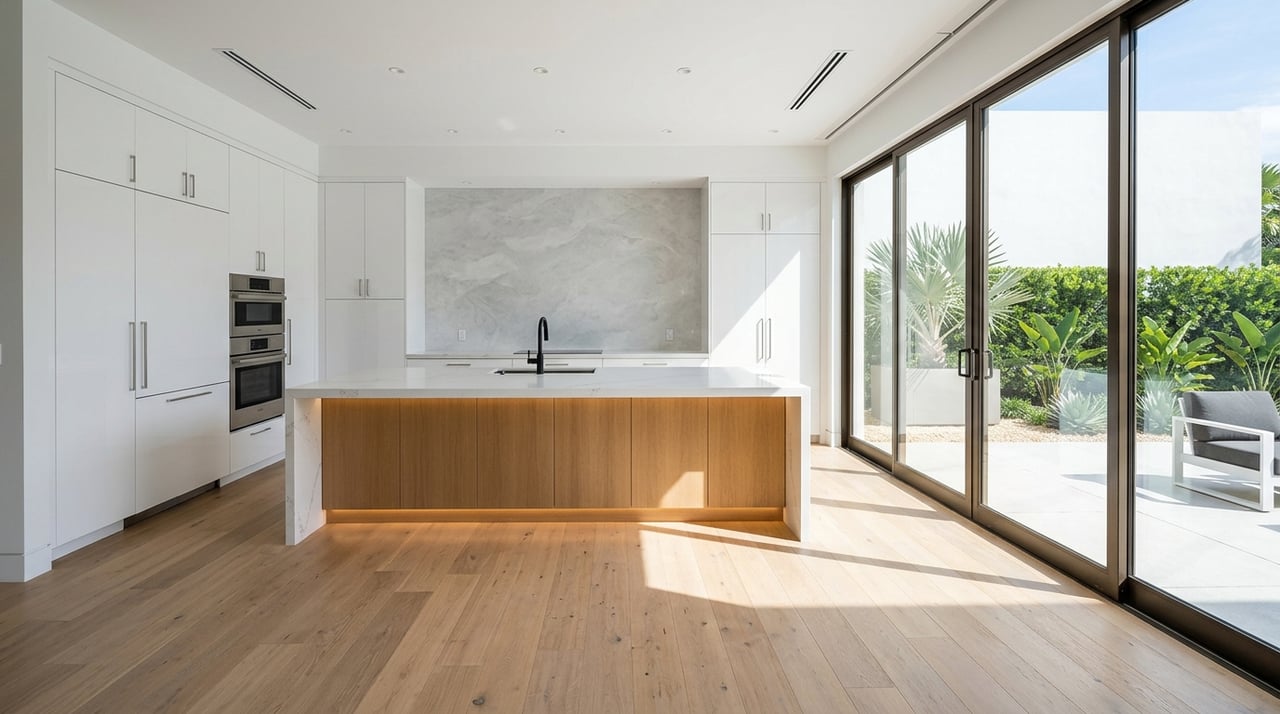
Buying In Odessa When You Need To Sell First
June 25, 2026
June 25, 2026
If you need to buy your next home in Odessa but your cash is tied up in your current one, you are not alone. This is one of the most common stress points for move-up buyers because the challenge is usually not just finding the right home, but lining up equity, financing, closing dates, and move-out timing. The good news is that with the right plan, you can make the process far more manageable and avoid costly surprises. Let’s dive in.
Odessa is a market where timing can shape your strategy. Census QuickFacts reports a 2020 population of 8,080, an owner-occupied housing rate of 70.2%, a median owner-occupied home value of $497,100, and median monthly owner costs with a mortgage of $2,286. Realtor.com’s March 2026 snapshot showed about 190 homes for sale, a median 53 days on market, and homes selling at about 98% of list price on average, while describing Pasco County as balanced.
For you as a buyer who also needs to sell, that balance can be helpful. It can mean you may have some room to negotiate, but you still need a clear plan because your next purchase may depend on the equity from your current home. In other words, your biggest risk is often poor coordination, not lack of opportunity.
When you need to sell before you buy, there is no one-size-fits-all answer. The best path depends on your finances, your comfort level, and how much flexibility you have on timing. In Odessa, most buyers fall into three practical routes.
This is often the simplest option if you do not want to carry two mortgage payments at once. Selling first can help you understand exactly how much equity you have available for your down payment, closing costs, and moving expenses.
It can also reduce financial pressure. CFPB notes that buyers should plan not only for the down payment, but also for closing costs, moving costs, repairs, furnishings, and an emergency cushion. CFPB also notes that closing costs commonly run about 2% to 5% of the purchase price.
The tradeoff is clear. Once you sell, you may need temporary housing or a carefully timed purchase if your next home is not ready right away.
A sale contingency can give you a path to buy while protecting yourself if your current home does not sell in time. Florida Realtors’ forms include Rider V, Sale of Buyer’s Property, which gives a buyer potential protection when another sale needs to happen first.
This matters if you need your current home to sell in order to qualify for financing. Florida Realtors also notes that buyers in that position should use Rider V together with the financing contingency. If you also want appraisal protection, that is not built into the standard FR/Bar contract, so Rider F may be needed.
A sale-contingent offer can work, but it needs to look credible to the seller. A realistic timeline, solid financing, and a meaningful earnest money deposit can help make your offer stronger.
If you have enough equity, you may be able to tap it before your current home sells. CFPB explains that a HELOC allows repeated borrowing against your equity, while a home equity loan provides a lump sum secured by the home.
There is also short-term bridge financing. Federal mortgage rules define a temporary bridge loan as one with a term of 12 months or less, including a loan used to buy a new home when you plan to sell your current one within 12 months.
This path can create more flexibility, but it also creates more risk. CFPB warns that home equity borrowing can put your home at risk if payments are missed, so this option works best when you have a strong financial cushion and a clear exit plan.
When your sale and purchase need to work together, contract details matter. In Florida, deadlines in the standard FR/Bar contracts are measured in calendar days. That means weekends count, and if a deadline lands on a Saturday, Sunday, or legal holiday, it extends to the next business day.
That sounds small, but it can affect inspections, financing deadlines, contingency periods, and possession timing. If you are trying to sell one home and close on the next one with very little gap, these details can have a real impact.
If your purchase depends on your current home selling, the contract should reflect that clearly. Florida Realtors’ Rider V is designed for this type of situation.
This can protect your deposit if the contingency is not satisfied. Florida Realtors explains that earnest money is normally held in escrow, is returned if a valid contingency is not satisfied, and may be at risk if a buyer backs out without contractual protection.
Sellers may not want to wait indefinitely on a buyer who has another home to sell. Florida Realtors’ contract library includes Rider W, Back-up Contract, and Rider X, Kick-out Clause.
In practice, these tools can let a seller keep a backup option in place or continue marketing the property while your contingency is active. That does not mean your offer cannot win, but it does mean your strategy should be realistic and well presented from the start.
Even when the contract comes together, the move itself may still need a bridge plan. Closing on a home and getting possession of a home are related, but they are not the same thing. That is why your move plan should be documented in writing.
Florida Realtors provides a Pre-Closing Occupancy rider and a Post-Closing Occupancy rider for situations where someone needs extra time before or after closing. Florida Realtors also notes that post-closing occupancy is not automatic and that a written agreement is better than a vague verbal understanding.
If your dates do not line up perfectly, you usually have three practical choices:
If an occupancy arrangement functions like a lease, Florida’s Residential Landlord/Tenant Act may apply. That is one more reason to make sure the terms are specific and documented.
One of the biggest mistakes move-up buyers make is focusing only on the next home price. In reality, the transaction has many moving parts, and each one affects your cash needs.
Your budget should account for:
In a market like Odessa, where the median owner-occupied home value is reported at $497,100, these costs can add up quickly. A clear cash plan can help you decide whether selling first, using a contingency, or tapping equity makes the most sense.
If you need to sell first, the most effective strategy usually starts with clarity. You want to know your likely sale price range, your estimated net proceeds, your financing options, and how much timing flexibility you actually have.
From there, your plan can take shape:
This is where high-touch coordination matters. When your sale, purchase, financing, and move all depend on one another, strong communication and careful contract timing can make the entire process feel much more controlled.
Every move-up purchase has layers, but buying in Odessa when you need to sell first adds an extra level of planning. You are not just choosing a home. You are coordinating a sequence of decisions that affect your equity, your stress level, and your timeline.
That is why local market guidance matters. In a balanced Pasco County market, you may have options, but success still depends on how well your sale and purchase strategy fit together.
If you want help mapping out the timing, pricing, and next steps for your move, connect with CRAIG BROMBERG for tailored guidance in Odessa and the surrounding Tampa Bay suburbs.
Stay up to date on the latest real estate trends.

Blog
Blog
Blog
Blog
Blog