Are you weighing a move to Tampa Bay and wondering how to make smart decisions from miles away? You are not alone. Out-of-state buyers often face tight timelines, fast-changing listings, and questions about insurance, schools, and flood risk. In this guide, you will see how a simple 30-minute planning call sets a clear roadmap that saves time, reduces stress, and helps you buy with confidence. Let’s dive in.
Why start with a planning call
A short, focused call gets everyone aligned on budget, timing, and the places that fit your lifestyle. Tampa and Hillsborough County include urban neighborhoods, master-planned suburbs, and waterfront pockets. Each area has different traffic patterns, HOA rules, and risk factors like flood exposure.
Market metrics in Tampa can move quickly. For a snapshot of current trends, review statewide and regional updates from Florida Realtors and your agent’s local MLS resources. You will also want to factor in monthly carrying costs like property taxes, HOA fees, and insurance. Insurance has been volatile in Florida, so build in time to get quotes early and review guidance from the Florida Office of Insurance Regulation.
What we cover in 30 minutes
A time-boxed agenda that drives clarity
- 0–5 minutes: Introductions and move context. Where you are moving from, ideal move date, and any constraints.
- 5–12 minutes: Budget and financing check. Pre-approval status, down payment, price range, and estimated monthly costs.
- 12–18 minutes: Must-haves and dealbreakers. Beds, yard, commute, school considerations, HOA preferences, and renovation tolerance.
- 18–23 minutes: Neighborhood fit. Initial short list of 3–5 communities and why they align with your goals.
- 23–27 minutes: Next steps. Digital tour plan, short-list timing, visit length, and what documents to gather.
- 27–30 minutes: Q&A and scheduling. Confirm follow-up and your preferred communication style.
Key questions we ask you
- What is your ideal timeline and flexibility?
- Are you selling a current home or ending a lease?
- Where will you work, and what is your maximum acceptable commute?
- Do you have school priorities you wish to align with zoning policies?
- How do you feel about renovations versus move-in-ready homes?
- Any pets, HOA, or rental needs that may affect your options?
Digital tours that replace guesswork
You can evaluate homes and neighborhoods thoroughly without a plane ticket. We provide a digital toolkit that shows both the property and its context.
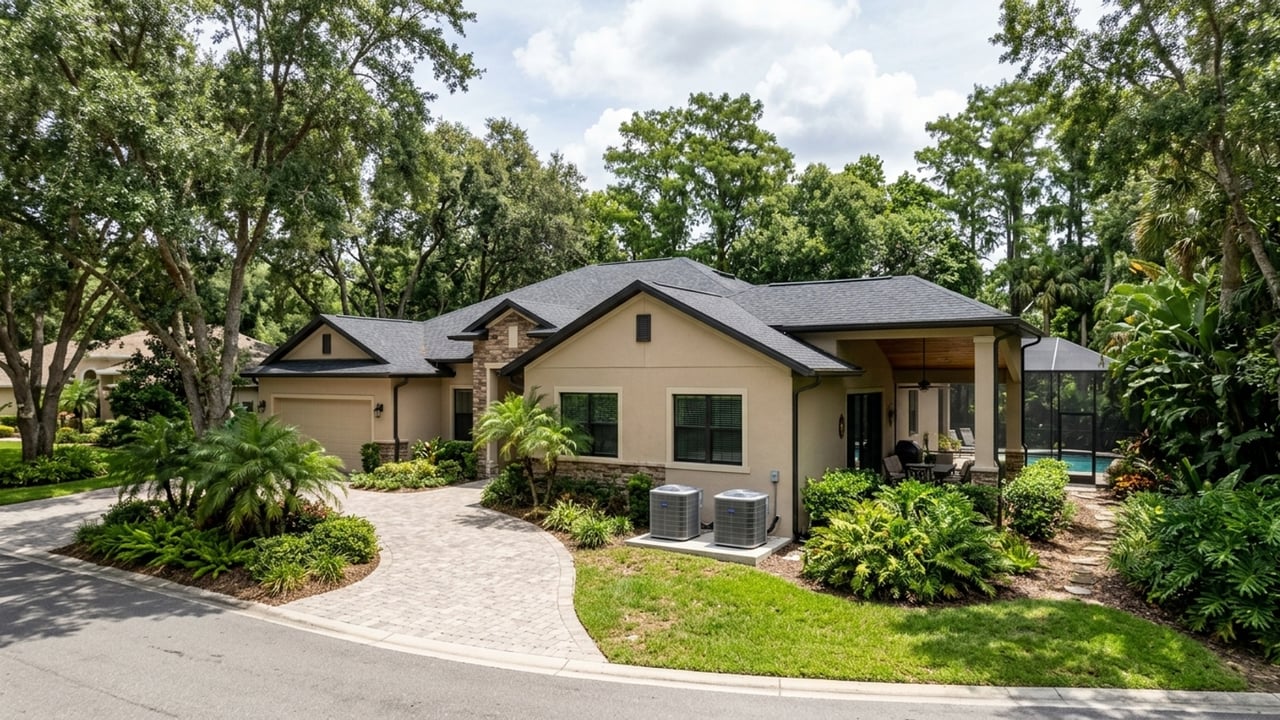
- High-resolution photos, floor plans with dimensions, and 3D tours.
- Pre-recorded walkthrough videos and live video showings so you can ask questions on the spot.
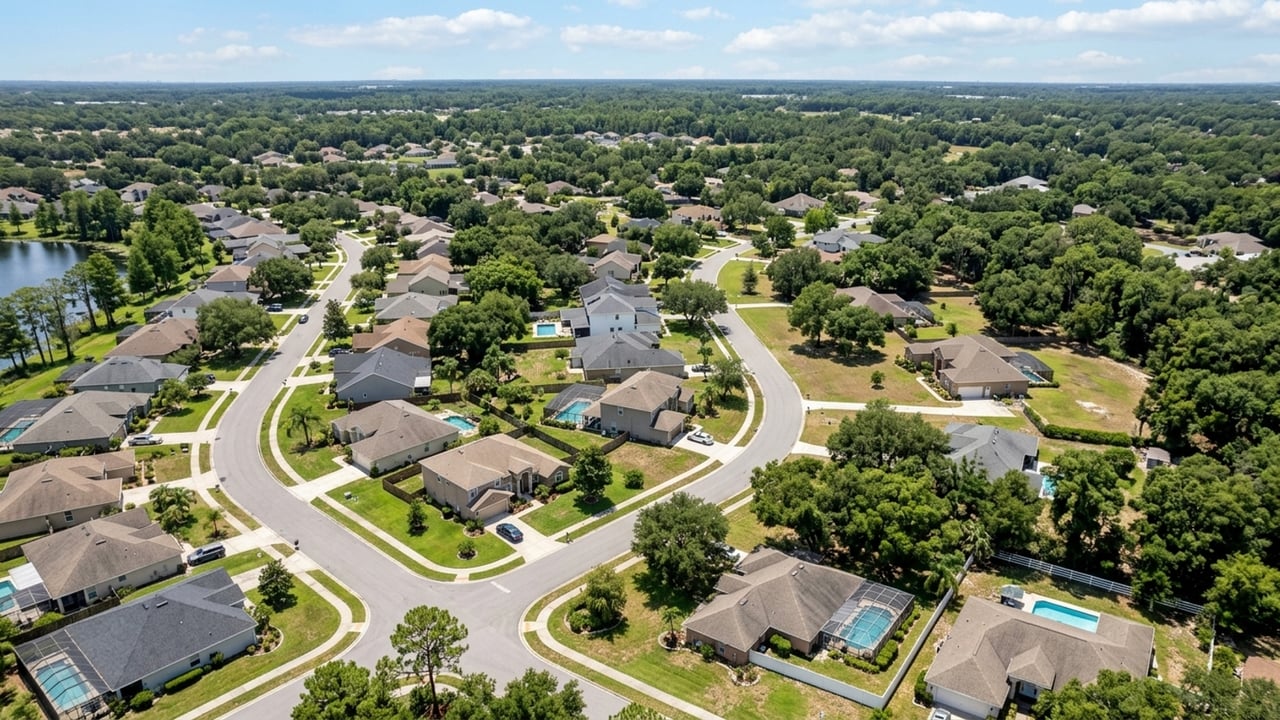
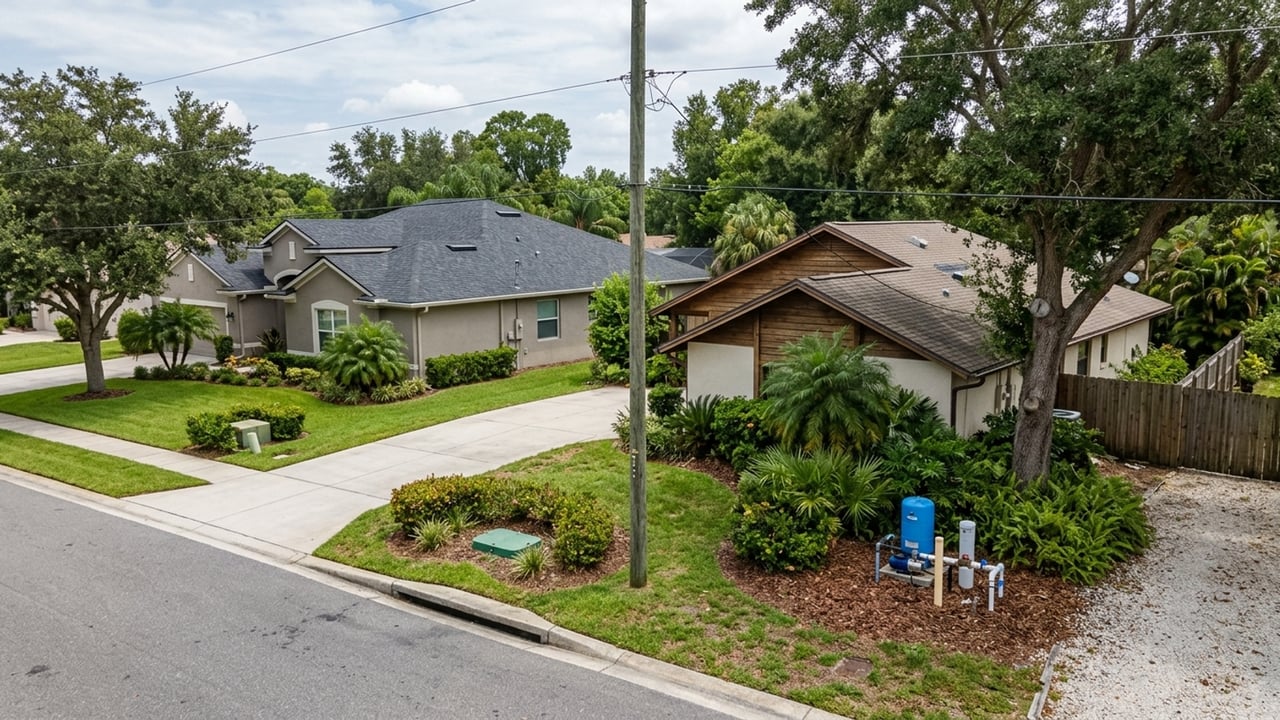
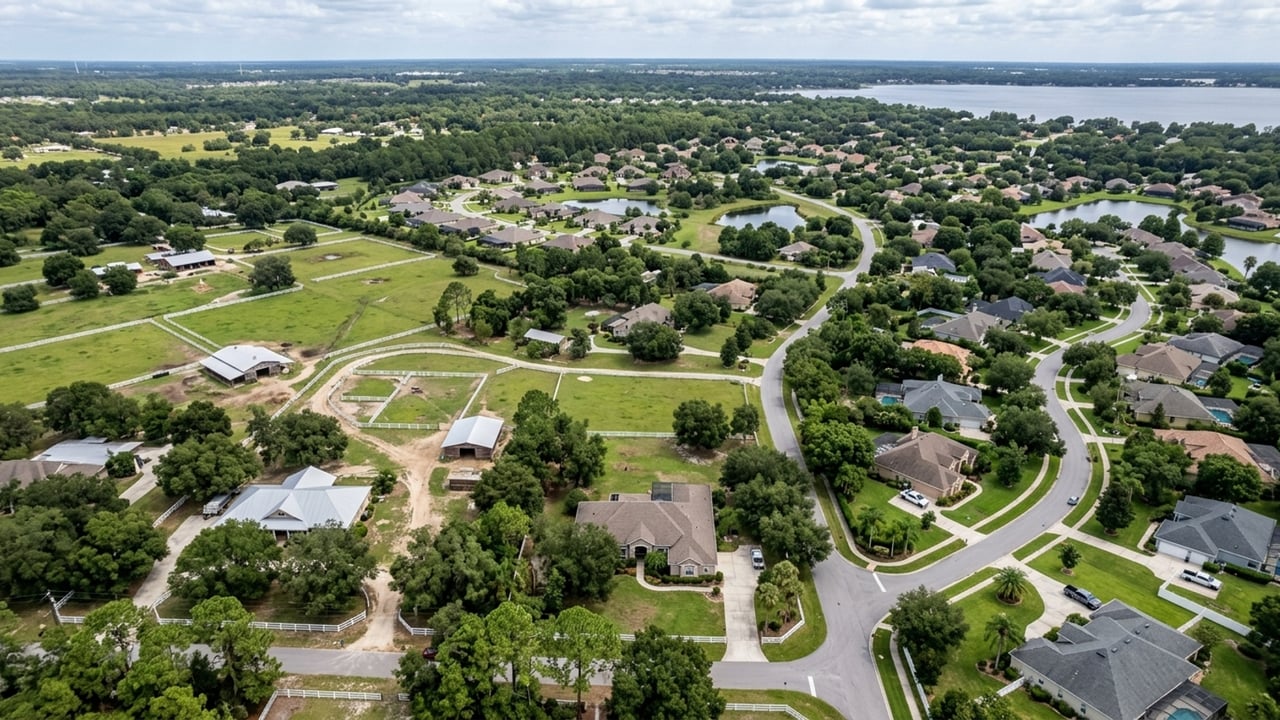
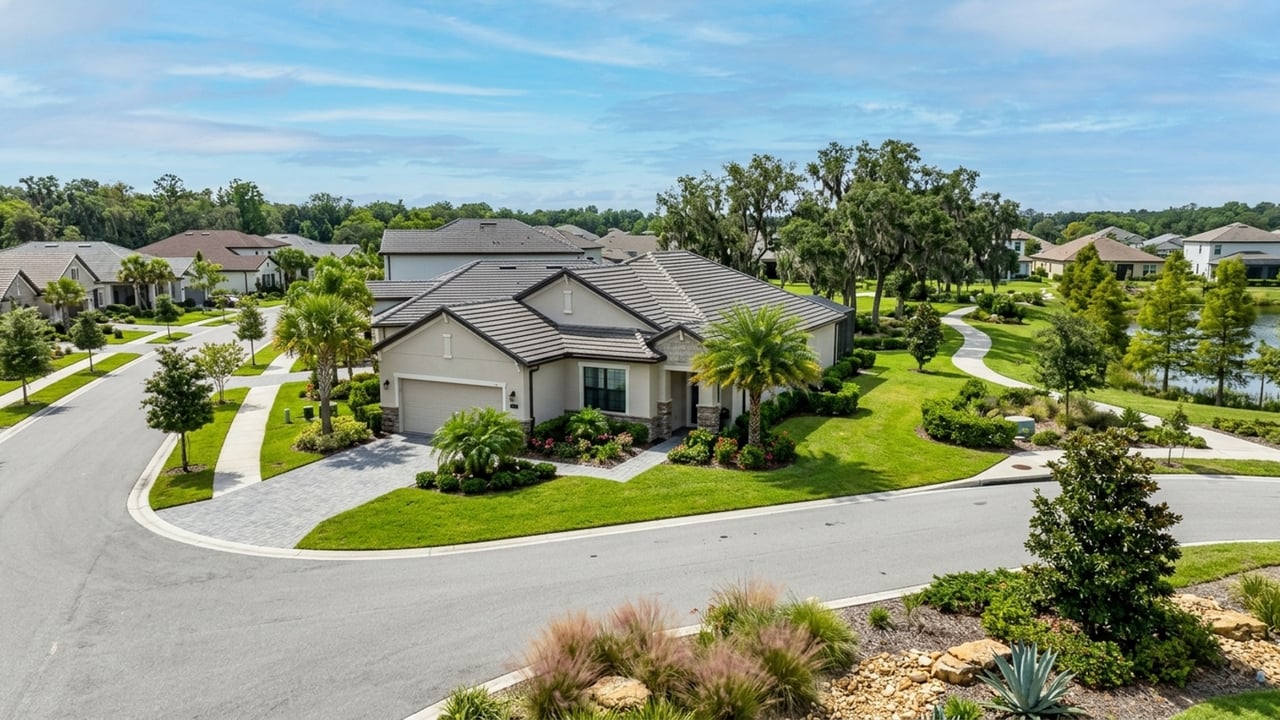
- Drone footage to show the lot, roof, and proximity to water or conservation areas.
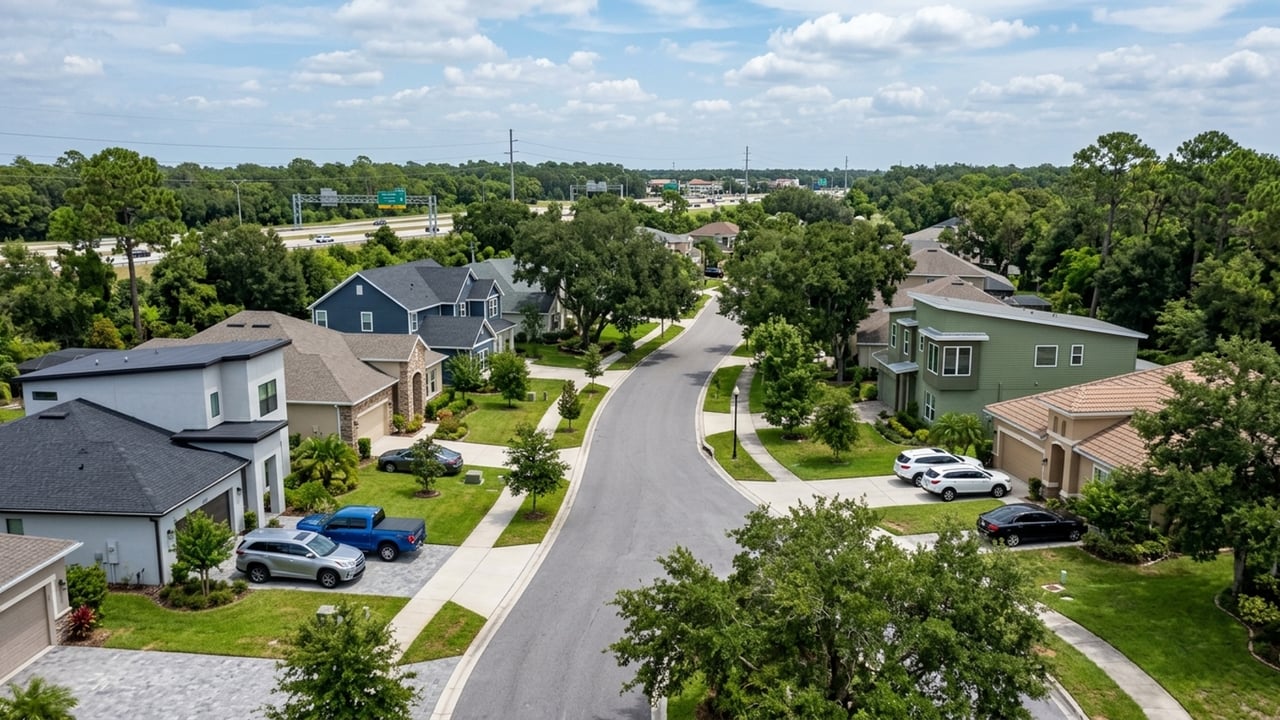
- Neighborhood drive videos that highlight commute routes, nearby parks, shopping, and traffic at different times of day.
You should also review a complete document package up front: seller disclosures, recent surveys, HOA documents and budgets, utility information, property tax history, and any prior inspection reports. For older homes, we recommend a 4-point inspection and a WDO report as part of due diligence. These are common in Florida and help you understand what insurers may require.
Virtual tours are powerful, but they do not replace a physical inspection. Protect yourself with an in-person inspection contingency and appraiser access before you close.
Short-listing Tampa communities
Tampa offers a mix of lifestyles, from walkable urban areas like Downtown Tampa, Hyde Park, and Seminole Heights to family-focused suburbs such as Westchase, Carrollwood, Brandon, and Riverview. If schools are on your list, confirm current attendance zones and policies directly with Hillsborough County Public Schools, since boundaries can change.
Use these filters to create a confident short list:
- Price range and ballpark monthly carrying cost (tax, insurance, HOA).
- Commute time to your workplace and typical traffic patterns.
- School assignment and distance to desired campuses.
- Flood risk and insurance needs using the FEMA Flood Map Service Center.
- HOA presence, fee levels, covenants, and rental rules if relevant.
- Lot type and exposure, including waterfront and conservation.
- Age and construction type, especially for insurance and maintenance.
- Walkability, transit access, and community amenities.
Organize your findings into a 3-tier short list:
- A-list: must-see homes during your visit.
- B-list: good fits to tour if time allows.
- C-list: backups and market watchers.
Plan a travel-efficient visit
Once you are ready for an in-person trip, use your time wisely. Tampa traffic patterns can vary a lot by corridor and time of day, so a smart route matters.
- Cluster showings by geography to avoid crisscrossing the county.
- Prioritize A-list homes and add quick drive-bys of schools, parks, and commute routes.
- Avoid rush-hour showings when possible. If commute is critical, schedule one drive test at your typical travel time.
- Reserve 2–4 days depending on the number of homes and inspections.
- Book lodging near your top-choice neighborhood to feel the area morning and evening.
If you cannot travel, set live video walkthroughs and bring a local inspector onto the call to focus on items flagged in earlier tours.
Offer, inspections, and a remote-friendly close
Your offer strategy should be guided by a neighborhood-specific CMA and current market conditions. Earnest money, inspection windows, and appraisal or financing contingencies are common tools for remote buyers.
Plan for a thorough inspection stack:
- General home inspection and WDO (termite) inspection.
- 4-point and wind-mitigation inspections for older homes or for insurance credits.
- Septic or well reports if applicable.
- For flood-zone properties, request an Elevation Certificate and review flood history via FEMA resources.
Title, escrow, and closing are straightforward with the right partners. Confirm that your title company supports eRecording and remote or mobile signing. You can review local recording and process details through the Hillsborough County Clerk. Protect yourself from wire fraud by verifying instructions by phone using trusted contact details.
A typical contract-to-close timeline is 30 to 60 days, depending on lender, appraisal, and seller readiness. Before closing, line up utilities and insurance so everything is active on day one. For electricity, see Tampa Electric (TECO); for water and sewer, check Hillsborough County Utilities. After you close, review homestead exemption timing with the Hillsborough County Property Appraiser to understand eligibility and deadlines.
Tampa relocation logistics to know
- Flood and storm exposure. Tampa Bay has tropical storm and hurricane risk. Flood zones, elevation, and storm surge history influence insurance and lending requirements. Use the FEMA Flood Map Service Center to review flood designations for any address.
- Insurance planning. Florida’s insurance market is fluid. Start quotes early and review hurricane deductibles and wind-mitigation credits with guidance from the Florida Office of Insurance Regulation.
- WDO and maintenance. Termites are common in Florida, so WDO inspections are standard and recommended.
- HOA rules and costs. Many suburbs and master-planned communities include HOAs. Request full documents and budgets early to avoid surprises.
- Property taxes and homestead. The homestead exemption can reduce property tax for primary residences. Confirm filing requirements and deadlines with the Hillsborough County Property Appraiser.
Your next step
A 30-minute planning call sets the stage for a smooth, remote-friendly move. You will define your budget, sharpen your wish list, and map your best-fit neighborhoods. Then we create a digital tour plan, a focused short list, and a time-efficient showing schedule, followed by clear steps for inspections and a secure remote closing.
- Start with a focused planning call.
- Review complete digital materials and quotes.
- Short-list communities with clear criteria.
- Make a travel-smart visit or arrange live virtual inspections.
- Close with confidence and a local team coordinating every step.
Ready to talk through your move to Tampa Bay? Schedule your 30-minute planning call with CRAIG BROMBERG and get a concierge roadmap that fits your timeline and goals.
FAQs
How does a 30-minute planning call help out-of-state buyers in Tampa?
- It aligns your budget, timeline, and must-haves, then sets a clear plan for digital tours, a short list, and efficient in-person showings so you can act confidently.
How do I estimate my monthly housing cost in Hillsborough County?
- Combine principal and interest with property taxes, insurance, and any HOA fees; ask your agent for tax history and insurance quotes early to build an accurate monthly figure.
How can I verify school assignments for a Tampa address?
Where do I check flood risk for a home near Tampa Bay?
- Search the property’s flood zone and elevation context using the FEMA Flood Map Service Center and review insurance implications before you offer.
What inspections are standard for Florida homes in Tampa?
- Plan for a general inspection plus WDO, and consider a 4-point and wind-mitigation inspection for older homes or for insurance savings.
Can I close on a Tampa home remotely?
- Yes; confirm your title company supports eRecording and remote or mobile signing, and follow wire-fraud safeguards through the Hillsborough County Clerk.
How long should I plan for an in-person buying trip?
- Most relocation buyers plan 2 to 4 days, clustering showings by area and adding commute tests and neighborhood drive-bys for context.
Where do I find official guidance on Florida insurance trends?