Understanding Master Planned Communities in Tampa
December 4, 2025
December 4, 2025
Thinking about moving to Tampa and keep hearing the term “master‑planned community”? You’re not alone. If you want newer homes, great amenities, and a neighborhood that’s designed to grow in a coordinated way, master‑planned communities can be a smart fit. In this guide, you’ll learn what they are, how they work in the Tampa area, the pros and cons, and what to check before you buy. Let’s dive in.
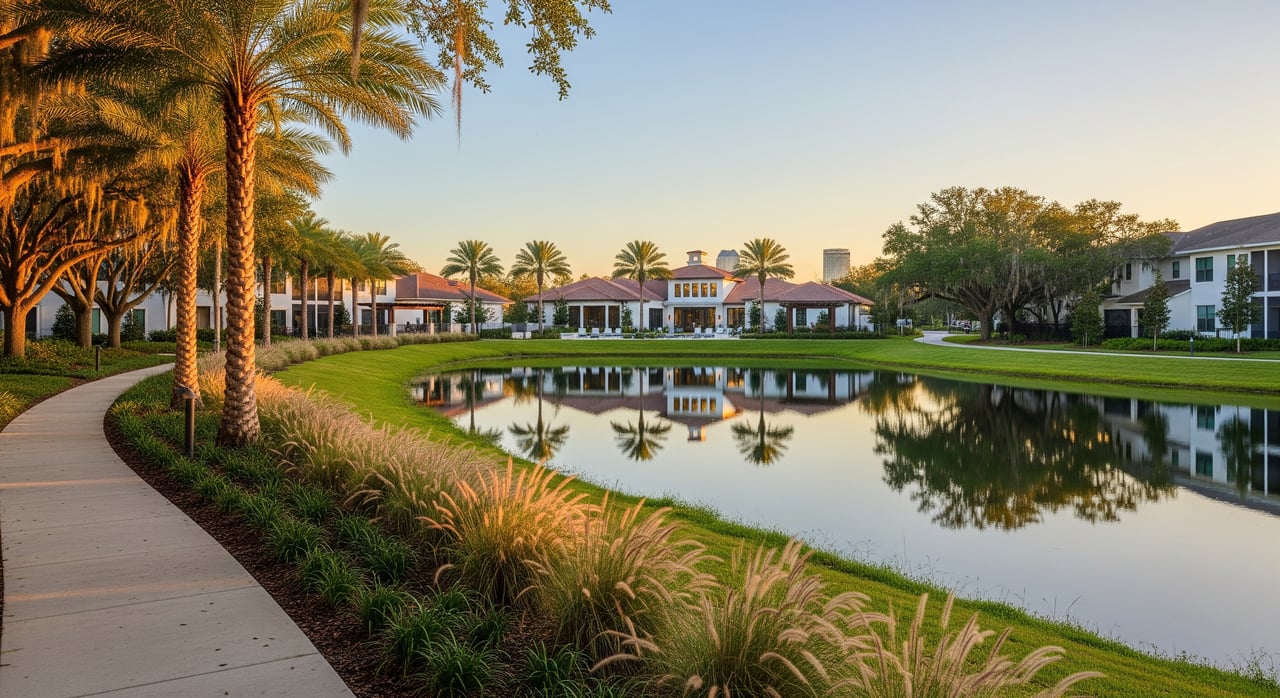
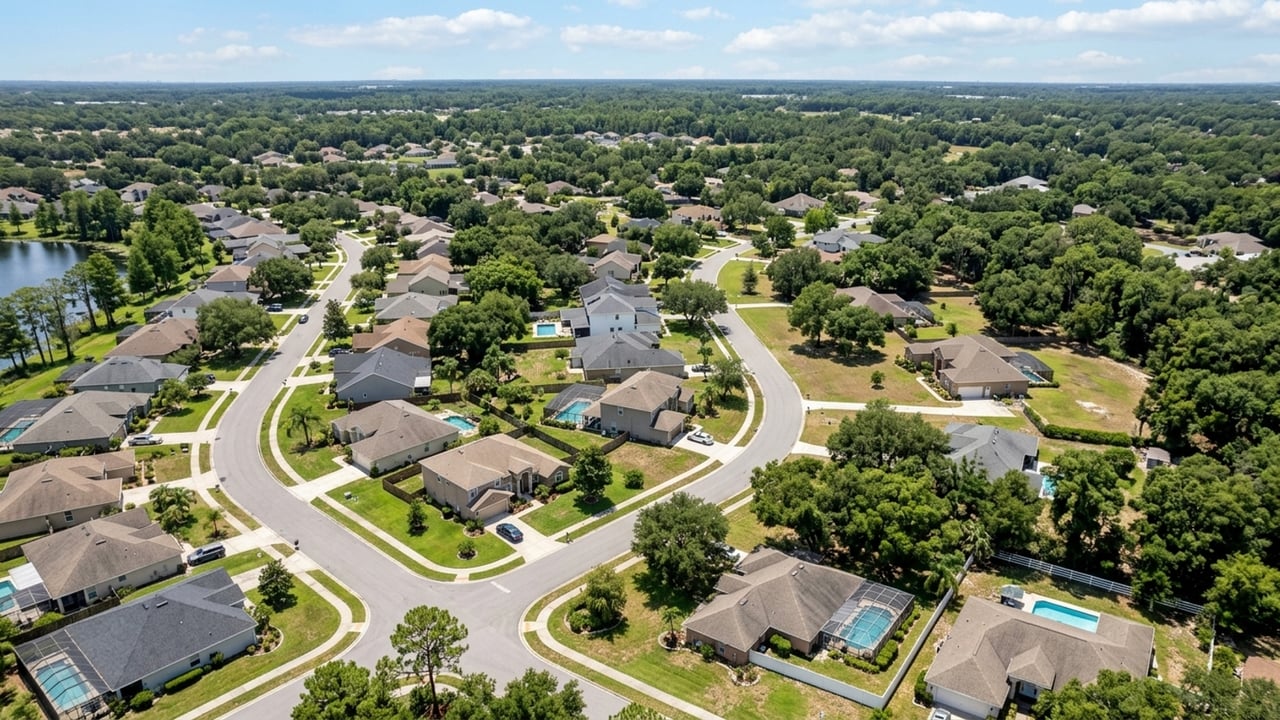
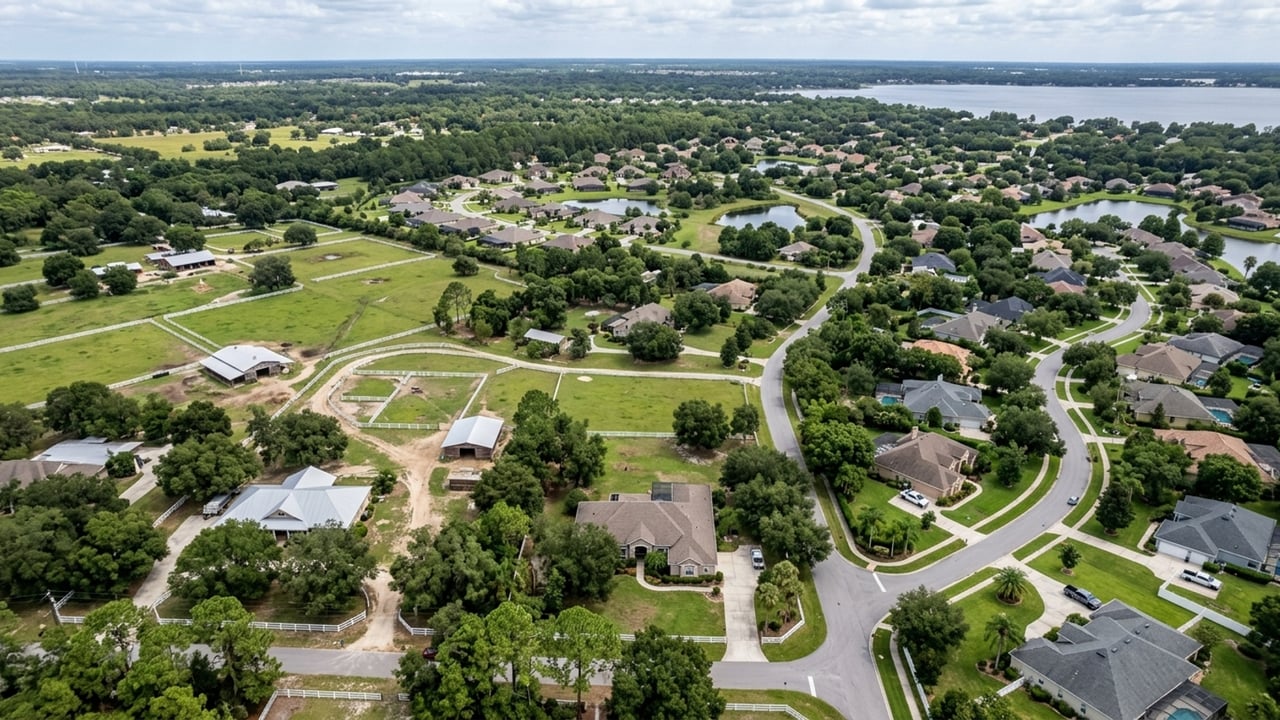
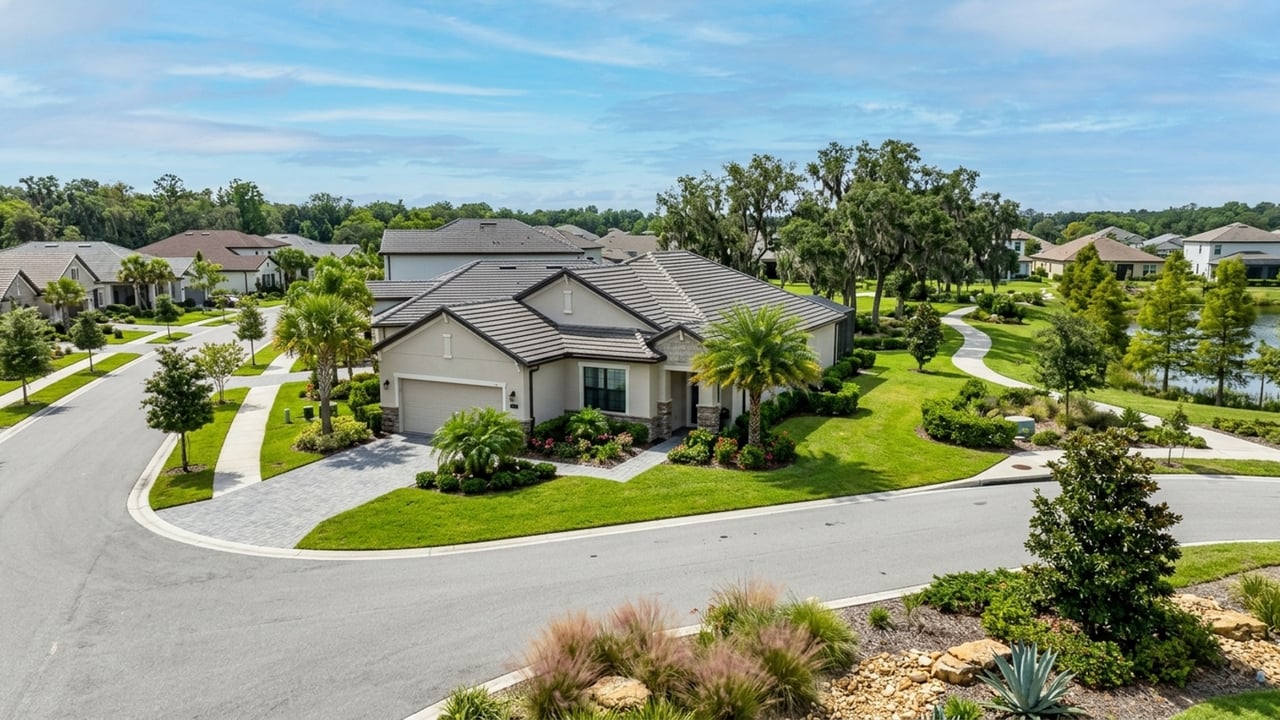
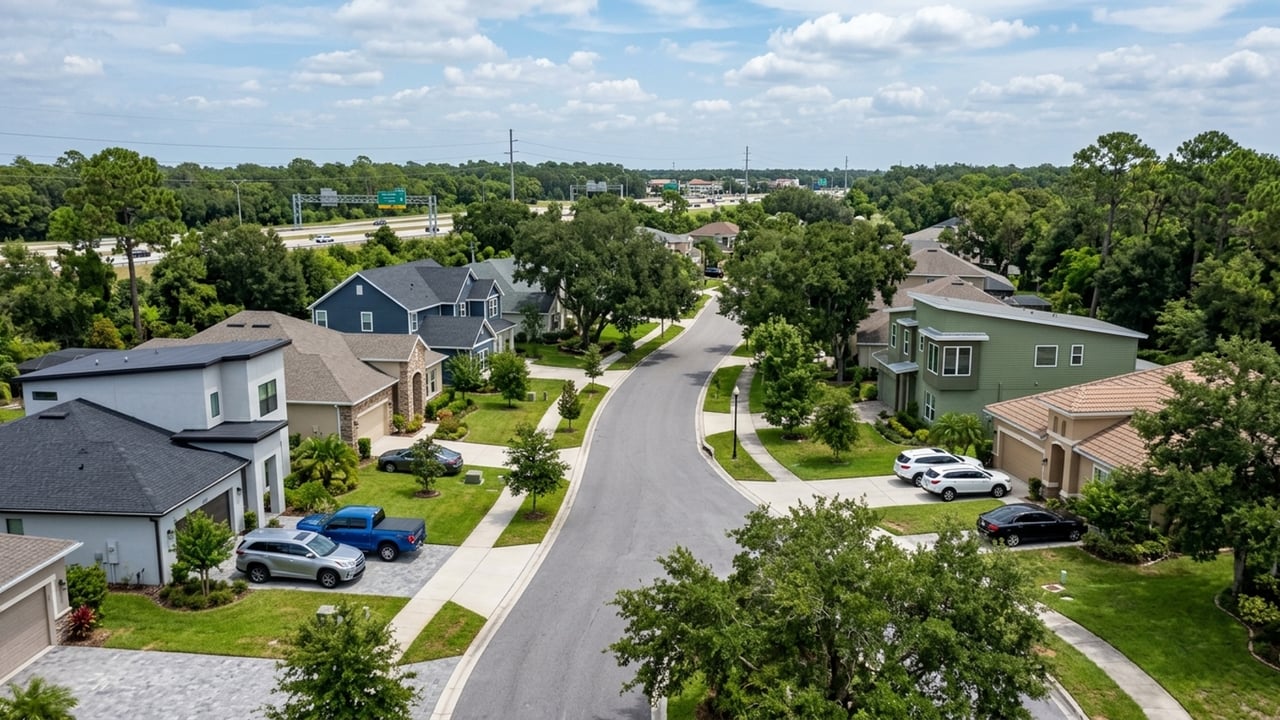
A master‑planned community, or MPC, is a large development designed and built in phases under one master plan. The plan coordinates homes, streets, trails, parks, stormwater, and often retail or schools. Instead of a single subdivision, an MPC aims to deliver a cohesive, mixed‑use neighborhood that evolves over years.
Most MPCs include multiple housing types and price points. You might see single‑family homes alongside townhomes, and sometimes dedicated sections for active‑adult living. Amenities are centralized and maintained by an association, which helps preserve the look and function of the neighborhood over time.
Tampa Bay has grown rapidly, and that growth fuels demand for new homes with strong lifestyle features. MPCs answer that demand with resort‑style pools, trail networks, dog parks, and community events that help you plug in quickly. Families and relocators often appreciate the convenience of on‑site amenities and the fresh feeling of newer construction.
Location is part of the tradeoff. Many MPCs sit outside downtown Tampa to allow room for large parks, lakes, and new infrastructure. That can mean a longer commute to downtown, Westshore, or MacDill Air Force Base, so you’ll want to test drive your route during peak hours. On the upside, you typically get newer builds, planned roads, and an active, outdoor‑friendly setting.
Climate planning also plays a role. Tampa Bay’s flood and hurricane risks shape MPC design, with stormwater ponds, elevation strategies, and conservation buffers built into the plan. Builders and HOAs coordinate to manage drainage and maintain common areas that support long‑term neighborhood health.
Starkey Ranch showcases a conservation‑forward approach with extensive trails, lakes, and outdoor recreation. Multiple builders and home types are woven into the plan, creating variety while staying cohesive. If you want newer construction, nature amenities, and community programming, this type of MPC is a strong match.
Bexley highlights the town‑center idea, where neighborhoods connect to a planned retail and dining node. Families often appreciate the parks, trails, and events that create a sense of place. Good access to major corridors can help with regional commuting.
Angeline sits within the larger FishHawk Ranch master plan in southeast Hillsborough County. It illustrates how sub‑neighborhoods operate under a larger MPC umbrella, sometimes with their own fees and rules. You’ll see the model of on‑site amenities, miles of trails, and programming centered around community life.
Pros
Cons
Use this quick list to stay focused as you compare communities:
Most MPCs are managed by one or more HOAs. Fees typically support amenity upkeep, landscaping of common areas, community events, and reserves for long‑term maintenance. Some neighborhoods add services like lawn care for townhomes or gated access.
CC&Rs set design standards and outline what you can change on the exterior. If you plan to paint, add a fence, or install a pool, you’ll submit an application to a design review board. Also ask about rental policies, as some communities limit rental terms or the number of homes that can be leased at any given time.
In the Tampa region, stormwater planning is a core part of any MPC. You’ll see ponds, greenways, and vegetated buffers that help manage heavy rain. Florida’s building codes for new construction also integrate wind and flood requirements, which is helpful context as you compare new builds to older homes.
Before you write an offer, request the elevation certificate for your specific lot and confirm the FEMA flood zone. These details help you assess insurance needs and the effectiveness of the community’s drainage plan. If you’re buying new construction, ask the builder to walk you through the site’s stormwater strategy.
Many MPCs coordinate with school districts by reserving sites for future schools or aligning with existing nearby campuses. That said, school assignments can change as districts manage capacity. Verify current zoning with the district and confirm whether any future schools are planned within or near the community.
For daily convenience, look at whether the plan includes or is near parks, childcare, retail, or healthcare services. Even if a full town center is not part of the plan, nearby shopping and dining can make daily routines easier.
Pricing inside an MPC often reflects the value of amenities and coordinated maintenance. Some buyers find that the lifestyle premium is worth the fee structure. When comparing to nearby non‑MPC neighborhoods, include HOA costs and amenity access in your math.
If the community is still building out, understand the timeline and how long construction will be active on your street. Construction can affect traffic and noise, but it may also bring new amenities as phases open. Ask your agent for comps both inside the community and in nearby areas to gauge long‑term value.
You might be a great fit if you want a move‑in‑ready lifestyle with amenities, design consistency, and community programming. You’ll trade some flexibility for predictability, and you’ll take on HOA fees in exchange for a maintained neighborhood and access to shared spaces. If that balance matches your goals, an MPC can be a smart, low‑stress path to Tampa living.
Ready to compare options and see upcoming phases? Our team pairs neighborhood expertise with VIP builder access to help you secure the right home, at the right time, with fewer surprises. Reach out to CRAIG BROMBERG for a tailored plan.
Stay up to date on the latest real estate trends.
Blog
Blog
Blog
Blog
Blog
Blog